
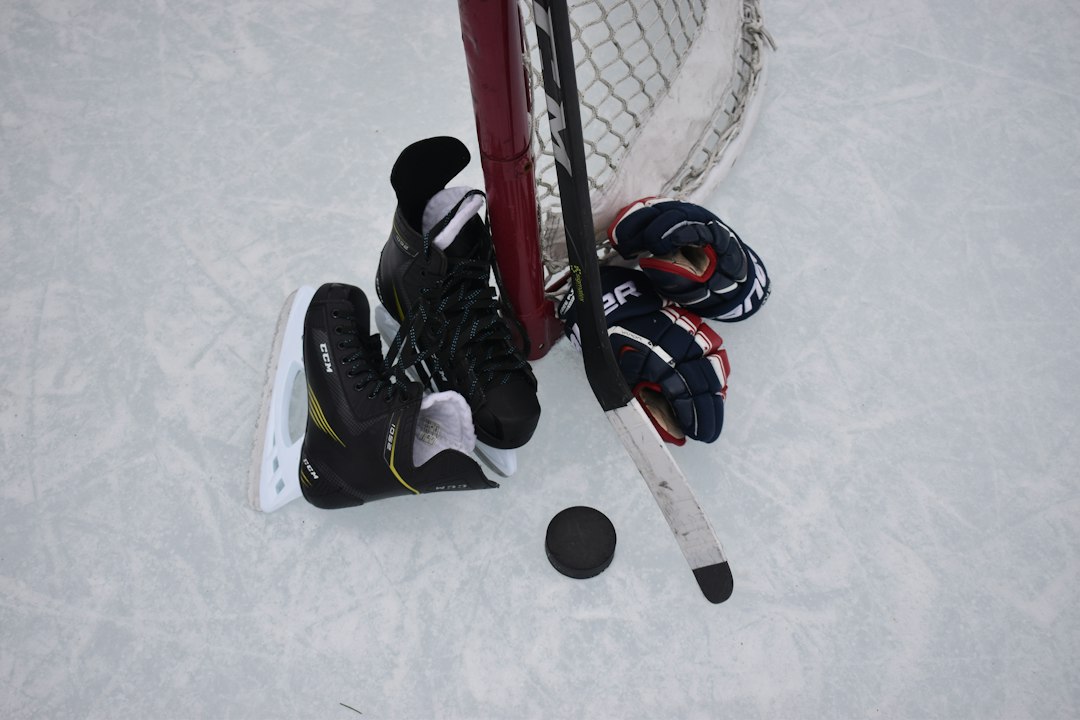
A winning team is not always a winning puck-line bet.
The final score reads 3–2. The bettor picked the winning team, but a wager on that team at -1.5 goals loses: it needed to win by at least two. A moneyline bet on the same team would win because the margin does not matter there.
Top Sportsbook Bonuses for November 2026

Betfred

HotStreak Sports

Betway Nigeria

Vave Crypto Sportsbook

Spininio Sportsbook

Betjara

BetNeptune

AfricaSports

1bet Sports
Spininio

Ivibet Sports

Golden Panda

TG Casino Sports

BetGoodwin

Quinnbet

Hollywoodbets

MyStake Sports

PowerPlay Sports

Sportsbet.io
Betway Zambia
Betway Ghana

Nicebet Liberia

Nicebet Mozambique

Yellowbet Mozambique

Yellowbet kenya

Fanteam

Starsports

Winner Rwanda

GAL Sports betting Zimbabwe
GAL Sports betting Uganda
GAL Sports betting Tanzania
Yellowbet Guinea
Yellowbet Congo

StarBet Liberia

LuckyBlock Sports

MegaDice Sports

TurboWins Sports

Alfobet

Freshbet

BetUS

BetNow

Betsuna

Ozoon

MyBookie

Play UK Sports

Jeffbet

Rolletto Sports

Velobet Sports

Bet105

BUSR Sports

Everygame Sports

BettaBet

10bet

SpreadEx

All British Sports

LekkerBets

BetOnline

MobileWins
MobileWins Finland Cashback
MobileWins Finland
MobileWins Canada

BetWhale

BetAnything

Xbet

Bovada

Bookmaker

MegaPari
The NHL puck line usually sets one team at -1.5 and the other at +1.5. The +1.5 side wins the wager if it wins the game or loses by exactly one goal. That extra goal of cushion changes the odds, so the price matters as much as the side. A team can look likely to win and still be a poor fit for a -1.5 wager.
What the 1.5-goal line means
A puck line adds or subtracts 1.5 goals from a team’s final score when grading the wager. It works much like a point spread in betting, but the standard NHL handicap is 1.5 goals on either side.
- Team -1.5: The team must win by two or more goals. An outright win by one goal is not enough.
- Team +1.5: The team covers by winning outright or losing by exactly one goal. A loss by two or more does not cover.
In a 4–2 game, the winner covers -1.5. In a 4–3 game, the losing team covers +1.5. Because no team can score half a goal, a standard 1.5-goal puck-line bet cannot push.
The minus sign describes the handicap, not necessarily the favorite. Favorites commonly appear at -1.5, but an underdog can also have a -1.5 option, often as an alternative line. The moneyline prices show which team is favored; the puck-line odds show the payout for taking a particular margin.
How final scores grade against the puck line
The score in the first column belongs to the team being bet. The table shows how a wager on that team grades at either side of the standard 1.5-goal puck line.
| Bet team’s score | -1.5 wager | +1.5 wager |
|---|---|---|
| 4–2 | Win | Win |
| 3–2 | Loss | Win |
| 2–3 | Loss | Win |
| 2–4 | Loss | Loss |
At -1.5, the team must win by at least two goals. A 4–2 final clears the line; a 3–2 win does not. At +1.5, the team can win outright or lose by exactly one goal. That makes 2–3 a winning result for the +1.5 wager, while 2–4 is a loss.
A standard half-goal puck line cannot push. Final goal margins are whole numbers, so adding or subtracting 1.5 goals can never produce an adjusted tie. The wager grades as a win or loss rather than having the stake returned.
The two sides can have very different odds: the extra goal of protection on +1.5 usually comes at a different price than requiring a two-goal win at -1.5. The score determines the grade; the sportsbook’s odds determine the payout.
Overtime and shootouts: which score counts?
A standard full-game puck line uses the official final score, including overtime or a shootout. If a game is tied 2–2 after regulation and finishes 3–2 in overtime, the winning team has won by one goal. A -1.5 wager on that team loses; its opponent’s +1.5 wager wins.
A shootout can produce the same result on the betting slip. The shootout winner receives one goal in the official final score, regardless of how many shootout attempts go in. A 2–2 tie after overtime becomes a 3–2 final, not a two-goal win for the shootout winner. That extra goal settles a full-game puck line, but it cannot cover -1.5.
Regulation-only markets stop the clock at the end of the third period. In the same example, the score used for settlement is 2–2, even though the game eventually has a winner. These markets are separate from full-game puck lines; regulation lines and moneylines may also offer different ways to bet a tie after 60 minutes.
Look for full game or regulation only on the betting line, then check the sportsbook’s house rules for overtime and shootout grading. Similar-looking markets can settle on different scores.
Why the moneyline and puck line pay differently
A moneyline bet asks only which team wins. A puck-line bet asks whether the final margin clears a 1.5-goal handicap. That extra condition changes the odds—and the payout—but the final score, not the price, determines whether the ticket wins.
Consider these illustrative prices for one game. Each payout assumes a $100 wager and excludes the original stake from the profit figure.
| Bet | Odds | $100 profit if it wins | Winning result |
|---|---|---|---|
| Favorite moneyline | -180 | $55.56 | Favorite wins |
| Favorite -1.5 goals | +150 | $150 | Favorite wins by 2 or more |
| Underdog moneyline | +155 | $155 | Underdog wins |
| Underdog +1.5 goals | -170 | $58.82 | Underdog wins or loses by 1 |
At -180, a $100 moneyline wager returns $155.56 total if the favorite wins: the original $100 plus $55.56 profit. At +150, that same stake returns $250 total—but only if the favorite covers -1.5. A 3–2 favorite win cashes the moneyline and loses the puck-line bet.
The underdog offers the opposite trade-off: +1.5 can cash in a one-goal loss, while its moneyline needs an outright win. That cushion generally comes with a lower payout. Juice, or vig, is the sportsbook’s margin built into the prices; it is not usually an extra fee added when the bet settles. Comparing odds across sportsbooks can help identify a better price on the same bet, without changing what that bet needs to win.
Why the winning margin is hard to call
NHL games often leave little room between winning and covering. A team can control much of a low-scoring game and still win 2–1, falling short at -1.5. If the game reaches overtime, the winner finishes ahead by only one goal. That makes a pregame -1.5 wager especially sensitive to whether the team can finish the job in regulation.
The final minutes can swing the margin the other way. A team leading 3–2 may score into an empty net after its opponent pulls the goalie, turning a narrow win into a 4–2 puck-line cover. But the trailing team might tie it instead, or never pull its goalie. An empty-net chance is a possibility, not a reason to assume a two-goal finish.
Matchup research can help put the sportsbook’s odds in context, though none of these factors predicts the exact margin:
- Scoring and defense: Look beyond recent final scores to whether a team consistently creates chances or limits them.
- Starting goalies: Check who is expected to start and whether that information is confirmed before placing a wager. A goalie change can alter the matchup and the betting line.
- Expected goals (xG): This estimates chance quality rather than simply counting shots. It can reveal a team generating good looks without converting them, but it cannot account for every bounce or guarantee future scoring.
A useful final check is to compare the puck-line price with the moneyline. If the extra payout for -1.5 depends on a two-goal win, the matchup case needs to support that risk—not just a belief that the team will win.
When the puck line moves beyond 1.5
The standard 1.5-goal puck line is not the only option. Some sportsbooks offer alternative puck lines that change both the required margin and the odds.
- -2.5: The team must win by at least three goals. A 4–2 win is not enough; a 5–2 win covers.
- +2.5: The team covers with any win or a loss by one or two goals. A 4–2 loss covers, but a 5–2 loss does not.
A whole-goal line can introduce a push. At -2, a two-goal win lands exactly on the number; at +2, a two-goal loss does the same. Under standard two-way market rules, a pushed straight wager has its stake returned rather than winning or losing. Sportsbooks may handle a pushed parlay leg differently, so the market rules matter.
The extra cushion on +2.5 often comes with a smaller payout, while the tougher -2.5 condition may offer a larger one. Neither is automatically a better wager. Compare the line and its price together: the question is whether the change in odds fairly compensates for the additional outcomes won or lost. Check that both prices cover the same game period, since regulation-only and full-game markets can settle differently.
Check the ticket before placing a puck-line bet
-
Confirm the team
Read the team name on the bet slip, not just the matchup heading. A puck-line wager is tied to the selected team’s score after the handicap is applied.
-
Read the sign and goal number
A team at -1.5 must win by at least two goals; a team at +1.5 can win outright or lose by one. If the line is an alternate +2.5, -2.5, or whole-goal number, check that exact margin before placing the wager.
-
Check which game time counts
Confirm whether the market covers the full game, including overtime and shootouts, or regulation only. A game tied after 60 minutes is settled differently in those markets.
-
Calculate the potential return
Compare the listed American odds with the stake shown on the slip. Make sure the displayed payout is understood as total return, including the original stake, rather than profit alone.
-
Read the sportsbook’s settlement rules
Before submitting, check how that sportsbook grades overtime, shootouts, pushes, and any alternate or regulation-only puck lines. Market names can look similar while their settlement rules differ.
A moneyline bet needs an outright win, even by one goal. A -1.5 puck-line bet needs a win by at least two goals. A +1.5 bet covers if the team wins or loses by one.
The different requirements show up in the odds; none guarantees an edge. Compare prices across sportsbooks and decide whether the payout justifies the risk within the available bankroll. The complete guide to betting on NHL games places that choice alongside other hockey markets. If the price does not make sense, passing is a reasonable call.
Top Sportsbook Bonuses for November 2026
Betfred
HotStreak Sports
Betway Nigeria
Vave Crypto Sportsbook
Spininio Sportsbook
Betjara
BetNeptune
AfricaSports
1bet Sports
Spininio
Ivibet Sports
Golden Panda
TG Casino Sports
BetGoodwin
Quinnbet
Hollywoodbets
MyStake Sports
PowerPlay Sports
Sportsbet.io
Betway Zambia
Betway Ghana
Nicebet Liberia
Nicebet Mozambique
Yellowbet Mozambique
Yellowbet kenya
Fanteam
Starsports
Winner Rwanda
GAL Sports betting Zimbabwe
GAL Sports betting Uganda
GAL Sports betting Tanzania
Yellowbet Guinea
Yellowbet Congo
StarBet Liberia
LuckyBlock Sports
MegaDice Sports
TurboWins Sports
Alfobet
Freshbet
BetUS
BetNow
Betsuna
Ozoon
MyBookie
Play UK Sports
Jeffbet
Rolletto Sports
Velobet Sports
Bet105
BUSR Sports
Everygame Sports
BettaBet
10bet
SpreadEx
All British Sports
LekkerBets
BetOnline
MobileWins
MobileWins Finland Cashback
MobileWins Finland
MobileWins Canada
BetWhale
BetAnything
Xbet
Bovada
Bookmaker
