
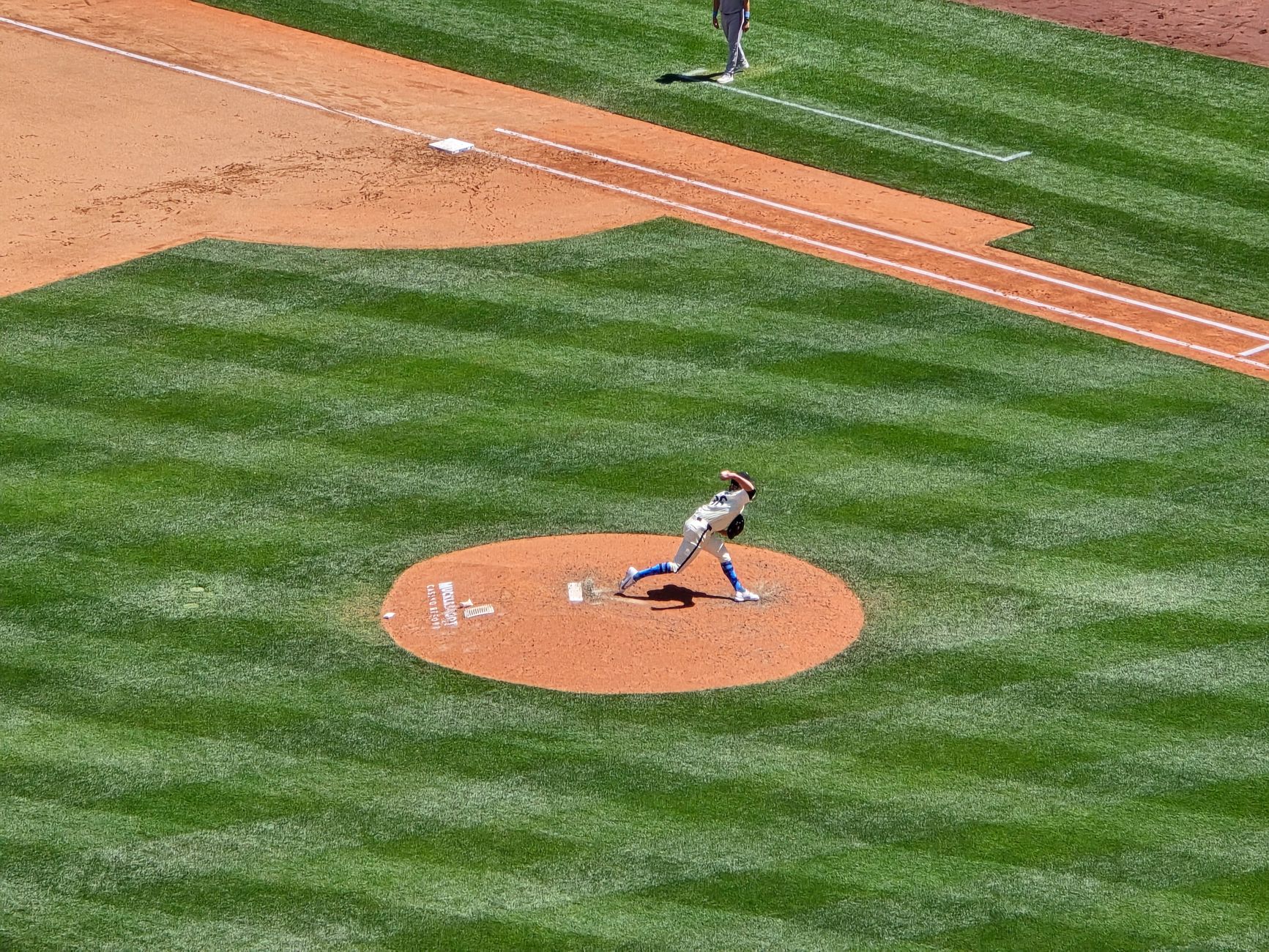
A starter can make the moneyline appealing, but the bullpen may decide whether it holds up.
A favorite leads 3–2 after six innings, but its closer worked the last two nights and its top setup arm threw 30 pitches yesterday. That late-inning picture matters when judging the moneyline price.
Top Sportsbook Bonuses for November 2026

Betfred

HotStreak Sports

Betway Nigeria

Vave Crypto Sportsbook

Spininio Sportsbook

Betjara

BetNeptune

AfricaSports

1bet Sports
Spininio

Ivibet Sports

Golden Panda

TG Casino Sports

BetGoodwin

Quinnbet

Hollywoodbets

MyStake Sports

PowerPlay Sports

Sportsbet.io
Betway Zambia
Betway Ghana

Nicebet Liberia

Nicebet Mozambique

Yellowbet Mozambique

Yellowbet kenya

Fanteam

Starsports

Winner Rwanda

GAL Sports betting Zimbabwe
GAL Sports betting Uganda
GAL Sports betting Tanzania
Yellowbet Guinea
Yellowbet Congo

StarBet Liberia

LuckyBlock Sports

MegaDice Sports

TurboWins Sports

Alfobet

Freshbet

BetUS

BetNow

Betsuna

Ozoon

MyBookie

Play UK Sports

Jeffbet

Rolletto Sports

Velobet Sports

Bet105

BUSR Sports

Everygame Sports

BettaBet

10bet

SpreadEx

All British Sports

LekkerBets

BetOnline

MobileWins
MobileWins Finland Cashback
MobileWins Finland
MobileWins Canada

BetWhale

BetAnything

Xbet

Bovada

Bookmaker

MegaPari
Check key relievers’ appearances and pitch counts over the past three days, especially back-to-back outings. Workload is a clue, not an injury report: a manager may still use a tired closer, and availability may not be clear before first pitch. Compare the likely relief options with the opposing lineup and the current odds. For broader context on weighing starters, bullpens, and price, see the complete guide to MLB betting.
Build a recent bullpen log
Start with both teams’ previous three to five games, not just their most recent matchup. Box scores show which relievers pitched and how many pitches they threw; play-by-play logs show when they entered and whether they handled a full inning or only a few batters. Team coverage can add context, such as a manager’s comments on availability.
Make a dated record for each team with:
- Each reliever’s appearances, innings and pitch counts
- Back-to-back outings and any heavier workload
- Extra-inning games, which may have required more bullpen arms
- Off days between appearances and before today’s game
An off day matters: a pitcher who worked two straight games may be in a different position after a day’s rest than one asked to pitch for a third consecutive night. Check the calendar before calling a bullpen taxed.
Pay particular attention to the closer, late-inning setup options and long relievers. If a pitcher did not appear, that does not prove availability; team reports may explain an injury or another limitation. The log is a starting point for judging likely options, not a confirmed list of who can pitch tonight.
Read the workload, not just appearances
An appearance count says a reliever entered the game. It does not show whether that pitcher threw three pitches or worked through a long inning. Use a small table for each bullpen’s likely late-inning options, updating it after every game:
| Reliever | Date | Pitches | Outs recorded | Consecutive days pitched |
|---|---|---|---|---|
| [Name] | [MM/DD] | [Count] | [Outs] | [Days] |
| [Name] | [MM/DD] | [Count] | [Outs] | [Days] |
Count the first appearance in a streak as day one; an off day breaks the streak. Outs add context to pitch totals: recording four or five outs can mean a reliever handled more than a typical one-inning assignment, while a high pitch count over one or two outs may point to a stressful inning. Back-to-back appearances deserve a closer look, especially when either outing was lengthy.
If a broadcast, team report, or reliable beat reporter documents a reliever warming up without entering, note that separately. Those pitches will not appear in the box score, but the activity may help explain a manager’s choice the next day. An unreported warmup should not be treated as confirmed work.
No pitch count is a firm availability cutoff. Check team updates and the manager’s recent usage before treating a closer or setup reliever as unlikely to pitch.
Map trusted relievers to availability
Start with the manager’s recent choices in close games. Which relievers handled a one-run lead, a tie in the seventh or eighth, or the toughest part of the opposing lineup? A closer may be the obvious name, but a setup arm who regularly faces the middle of the order can matter just as much.
Sort those pitchers into a working list before checking the betting line:
- Likely available: Recent workload looks manageable, and no team report suggests a restriction.
- Uncertain: The reliever has worked several times lately, threw a heavier outing, or warmed up without entering. Watch for pregame comments or lineup-related coverage.
- Less likely to appear: The manager has said the pitcher is unavailable, the pitcher is injured, or recent usage suggests rest may be needed. Treat workload alone as a clue, not confirmation.
Keep the rest of the bullpen on the list, too. A team might have plenty of rested arms but few relievers the manager has trusted with a narrow lead. That is different from a bullpen stretched so thin that even middle innings could be difficult to cover.
Check confirmed availability news again near first pitch. If the trusted late-inning group changes, reassess whether the moneyline or over/under still reflects the expected pitching matchup; it does not automatically create a worthwhile wager.
Estimate today’s bullpen innings
Start with the scheduled starter’s last three or four outings. Note innings pitched, pitch counts and why each start ended. A pitcher who has repeatedly left before the sixth may require more relief coverage than one who regularly works into the seventh, though a recent short start caused by a rain delay deserves different weight.
For a rough baseline, subtract the starter’s expected innings from nine. If the starter looks likely to cover five innings, plan for roughly four bullpen innings. That is an estimate, not a prediction: the home team may not bat in the ninth, and an early exit or extra innings can change the total.
Then compare that demand with the bullpen log:
- Yesterday’s game: How many innings did relievers cover, and which trusted arms pitched?
- Schedule: Did an off day provide rest, or does travel leave no extra recovery day?
- Today’s slate: Is this one game of a doubleheader that could tax the bullpen across two games?
The concern is not simply a projected four relief innings. It is four innings after an early starter exit when the manager’s preferred late-inning options may be limited. Check the confirmed starter and recent team reports before weighing that risk against the moneyline or over/under; the sportsbook’s price may already account for it.
Update the bullpen read with pregame news
A bullpen log is a snapshot, not a lineup card. Before placing a wager, check official roster moves and injury updates, then look for manager comments and reporting from established beat writers. An optioned reliever is out; a manager explicitly ruling out the closer carries more weight than a high pitch count.
Keep two categories in the notes:
- Confirmed: roster moves, announced injuries, or a manager ruling out a reliever.
- Possible: rest inferred from recent work, an unreported injury concern, or a reporter’s expectation about the ninth inning.
If the closer is only likely to rest, check who has handled late innings when that reliever sat. That pitcher is a plausible substitute, not a confirmed closer. A reliever can also be active but reserved for an emergency, so avoid treating roster status as a promise of availability.
If the research began the night before, check again after lineups and starting pitchers are announced. A starter change may increase the innings the bullpen needs to cover; a roster move may change the available arms. Compare the updated picture with the current moneyline, over/under, or relevant props before betting.
Match the bullpen read to the betting line
Before betting a full-game moneyline or over/under, compare both bullpens and the innings each is likely to cover. A tired late-inning group matters less if its starter routinely works deep into games; a fresher bullpen may face the tougher assignment if its starter is expected to leave early. If both teams look stretched, the matchup may offer less of a moneyline advantage than a one-sided bullpen read suggests.
The same comparison applies to totals. Several likely relief innings on both sides could strengthen a case for the over, but that case still has to account for the starters, lineups, ballpark and posted number. A high total may already reflect much of the late-game scoring risk.
A first-five bet changes the question. It settles after five innings, so limiting bullpen exposure with first-five bets can make sense when the starter matchup is clearer than the late-inning picture. It does not eliminate bullpen risk: an early starter exit can bring relievers into the first five.
Finally, compare the estimated edge with the current odds and vig. At -110, a wager needs to win about 52.4% of the time to break even; a small hunch about bullpen fatigue may not justify that price. Passing is reasonable when the line has already moved, both pens have similar concerns, or the case depends on one tired reliever pitching in a specific spot. Managers can use someone else, and a sound bullpen read is not automatically a good bet.
- Check the usage table for both teams: recent pitch counts, back-to-back appearances, off days and any confirmed warmups.
- Flag trusted late-inning relievers whose availability is uncertain. A heavy workload suggests caution, not an automatic absence.
- Estimate how many innings each starter is likely to cover and how much work that leaves for the bullpen. Consider whether a first-five bet better matches the read than a full-game bet, while recognizing it still has some bullpen exposure if a starter exits early.
Before placing a wager, check pregame news for confirmed absences or changes to either starter, then compare the bullpen read with the current moneyline or over/under. When applying that read to today’s MLB picks, pass if reliever availability remains too murky or the price no longer supports the bet.
Keep any wager within a set bankroll limit. Record the expected bullpen innings, the relievers in question and the odds taken. Review that reasoning afterward; one win or loss cannot establish whether the decision was sound.
Top Sportsbook Bonuses for November 2026
Betfred
HotStreak Sports
Betway Nigeria
Vave Crypto Sportsbook
Spininio Sportsbook
Betjara
BetNeptune
AfricaSports
1bet Sports
Spininio
Ivibet Sports
Golden Panda
TG Casino Sports
BetGoodwin
Quinnbet
Hollywoodbets
MyStake Sports
PowerPlay Sports
Sportsbet.io
Betway Zambia
Betway Ghana
Nicebet Liberia
Nicebet Mozambique
Yellowbet Mozambique
Yellowbet kenya
Fanteam
Starsports
Winner Rwanda
GAL Sports betting Zimbabwe
GAL Sports betting Uganda
GAL Sports betting Tanzania
Yellowbet Guinea
Yellowbet Congo
StarBet Liberia
LuckyBlock Sports
MegaDice Sports
TurboWins Sports
Alfobet
Freshbet
BetUS
BetNow
Betsuna
Ozoon
MyBookie
Play UK Sports
Jeffbet
Rolletto Sports
Velobet Sports
Bet105
BUSR Sports
Everygame Sports
BettaBet
10bet
SpreadEx
All British Sports
LekkerBets
BetOnline
MobileWins
MobileWins Finland Cashback
MobileWins Finland
MobileWins Canada
BetWhale
BetAnything
Xbet
Bovada
Bookmaker
