
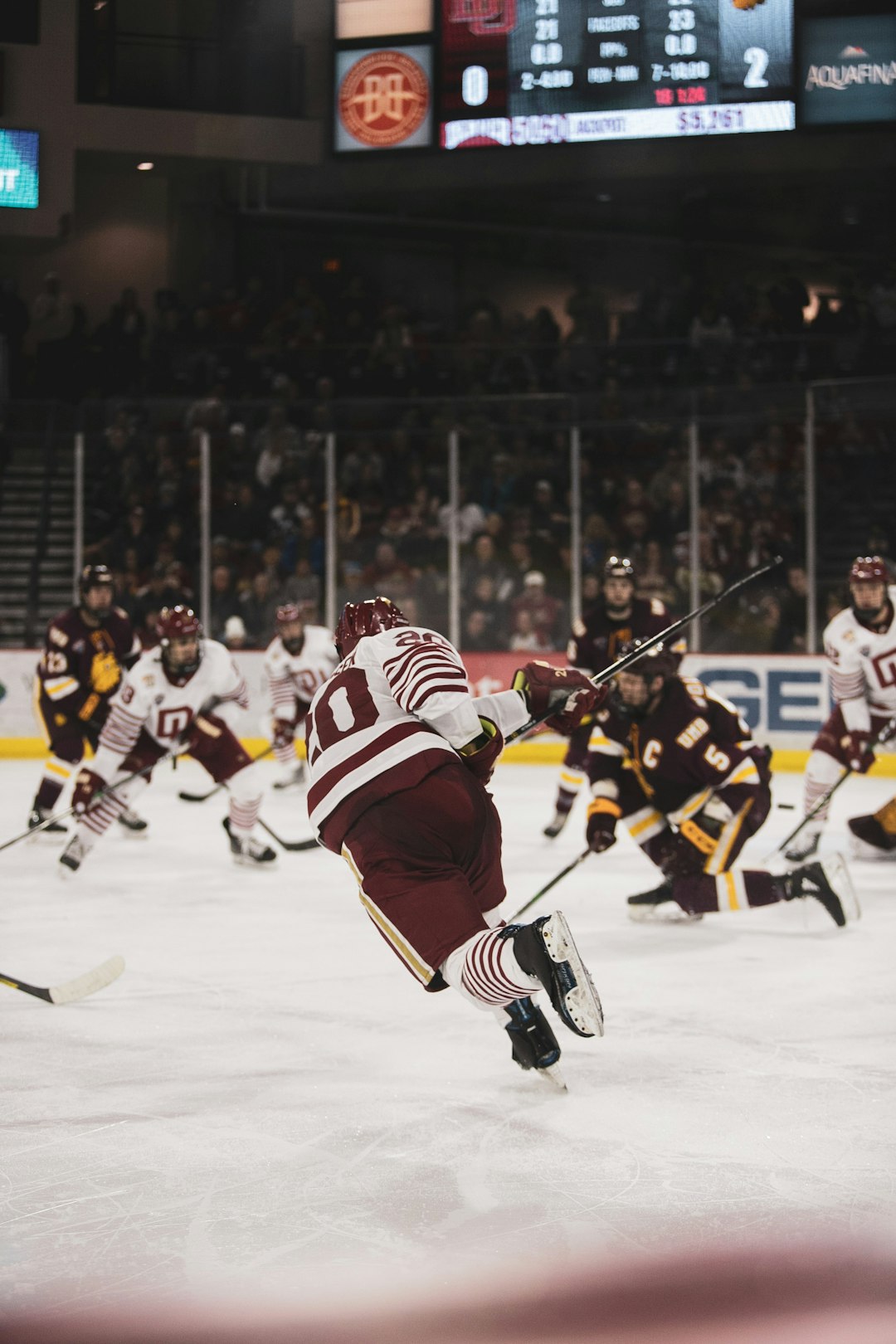
The final score is only part of what decides whether an NHL wager wins.
Suppose Boston wins 4-3 in overtime. A Boston moneyline wager usually cashes, but a Boston regulation-moneyline ticket loses because the game was tied after 60 minutes. A three-way regulation bet settles the same stage differently: Boston, tie, and opponent are separate outcomes. Most game totals include overtime and shootouts, but sportsbook rules can vary.
Market scope matters just as much as the prediction. Goalie confirmations, injuries, and lineup changes can move the betting line quickly, turning -120 into -145 or shifting an over/under. Before placing a wager, check whether overtime counts, how shootouts are scored, whether a goalie must start for action, and what happens if a player prop participant does not play.
A cautious way to place the first NHL bet
-
Choose a legal, regulated sportsbook
Confirm that the sportsbook is licensed in the bettor’s state and review its deposit, withdrawal, identity verification, and responsible gambling tools.
-
Set the bankroll and unit size first
Use only discretionary money. A common cautious approach is to make one unit about 1% of the betting bankroll and set firm deposit and loss limits.
-
Start with one straightforward market
A single-game moneyline or over/under is easier to track than a parlay or a complex player prop. Parlays may offer bigger payouts, but every leg must win.
-
Enter a small stake
The first wager should fit the preset unit size, regardless of confidence. Increasing the bet to recover an earlier loss is chasing and can quickly drain a bankroll.
-
Read the entire bet slip
Check the team, market, odds, stake, potential payout, game date, and whether overtime counts. Betting lines can move before submission, so confirm any displayed odds change.
Keep a record of the wager, closing odds, result, and bankroll balance; this makes spending and performance easier to assess.
Before opting in, read the current terms for state and customer eligibility, minimum deposit, qualifying wager, minimum odds, expiration date, wagering requirements, and withdrawal restrictions. Promotional rules change, and a larger headline amount does not necessarily mean better value.
How the main NHL markets settle
Exact wording on the bet slip controls settlement. “Game,” “full game,” and “including overtime” usually cover overtime and the shootout; “regulation” means 60 minutes only.
| Market | What must happen |
|---|---|
| Moneyline | The selected team must win the game. Standard full-game NHL moneylines generally include overtime and shootouts, as explained in how moneylines handle extra time. |
| Puck line | The favorite at -1.5 must win by at least two goals. The underdog at +1.5 wins the bet by winning outright or losing by exactly one. See why one goal matters on puck lines. |
| Game total | The combined score must finish above the over or below the under. Full-game totals commonly include extra time; overtime and shootout settlement rules explain the details. |
Moneyline favorites carry minus odds, while underdogs carry plus odds. A -1.5 favorite may offer plus money because a one-goal victory is not enough; taking +1.5 often comes with heavier juice. Totals commonly appear at 5.5, 6, or 6.5 goals, with pricing that may differ from -110.
The decisive distinction is a regulation line versus a full-game moneyline. A team that wins in overtime cashes a typical full-game moneyline, but a regulation bet on that team loses if the score was tied after 60 minutes. Sportsbook house rules should always be checked before wagering.
Other NHL betting markets
Beyond the basics, sportsbooks offer wagers with very different time horizons and settlement details. Team totals isolate one club’s scoring, but bettors should check how overtime and shootout goals are treated.
First-period wagers settle after 20 minutes, making them quick to grade, though fewer minutes can make one bounce unusually influential. Player props require more context: ice time, power-play role, shot volume, and opponent matter more than star recognition. For anytime scorers, a disciplined approach to goal-scorer odds helps avoid overpaying for familiar names.
Longer-term markets demand different bankroll planning. A playoff series bet stays open for several games, while deciding when a Stanley Cup future makes sense means considering months of uncertainty and money that cannot be redeployed.
For beginners, straight bets are usually easier to track than combinations. Parlays multiply the conditions required to win, increase variance, and apply the sportsbook’s pricing to every leg. A tempting payout does not improve weak prices; selective single wagers keep results easier to evaluate.
How NHL wagers are graded
Does overtime count toward an NHL bet?
It depends on the market. Full-game moneylines and totals usually include overtime and the shootout, while regulation-only markets end after 60 minutes.
Can an NHL wager push?
Yes, when the final result lands exactly on a whole-number betting line, such as an alternate total of 6. A straight-bet stake is generally returned, while parlay treatment depends on sportsbook rules.
When is a bet voided?
A sportsbook may void a wager when a game is canceled, market terms are not satisfied, or an eligible player never participates. The exact grading policy controls, not the bettor’s assumption.
What happens if a game is postponed?
Some sportsbooks keep bets active if the game resumes within a stated window; others void them and return the stake. Check the house rules for postponements, venue changes, and rescheduled games.
What if a player is scratched or the lineup changes?
Player props are commonly voided when the named player does not play, but participation requirements vary. Team wagers usually remain active despite routine lineup changes unless the market lists specific conditions.
Suppose a moneyline is placed with one expected starter, then the backup is announced during warmups. The wager may still have action unless the market explicitly lists goalies.
Review how sportsbooks handle a late starting-goalie change, then check the market description and settlement policy before placing the bet.
Reading NHL odds and payouts
American odds show the potential profit relative to $100. At +150, a $100 wager earns $150 profit and returns $250 total. At -150, $150 must be risked to earn $100 profit; a $100 wager would earn $66.67 and return $166.67.
| Odds | Implied probability | $100 wager profit |
|---|---|---|
| +150 | 40.0% | $150.00 |
| -150 | 60.0% | $66.67 |
Implied probability is calculated as 100 ÷ (positive odds + 100) for plus prices and negative odds ÷ (negative odds + 100) using the absolute value for minus prices. A team can be the likely winner yet still be overpriced. If a favorite has a 60% estimated chance but the line requires a 65% break-even rate, the wager offers poor value.
Juice, or vig, is the sportsbook’s built-in margin. Two sides priced at -110 each imply about 52.4% apiece, totaling 104.8% rather than 100%.
Line movement changes the required break-even rate. A favorite moving from -120 to -140 becomes more expensive, but that shift does not guarantee a win. Comparing legal sportsbooks matters: repeatedly taking -120 instead of -130 preserves meaningful bankroll over many wagers.
A push occurs when the result lands exactly on an integer line, such as a regulation total of 6 ending with six goals. The stake is usually returned, though parlay treatment and house rules should be checked.
Run a disciplined check before puck drop
-
Confirm the starting goalie
Wait for goalie confirmation, since a backup can change moneyline, over/under, and prop assumptions.
-
Review lineup changes
Check late scratches and updated line combinations; missing centers, top-six wingers, or power-play roles can reshape scoring expectations.
-
Assess schedule and venue
Account for back-to-back fatigue, travel, and the practical value of home ice without treating any factor as an automatic downgrade.
-
Look beneath recent results
Compare wins and losses with expected-goals data and PDO context; a streak can hide weak chance quality or unusually hot shooting and goaltending.
-
Check the price
Cross-check reliable NHL research sources, note betting-line movement, and compare sportsbook odds before placing a wager.
-
Make a measured decision
Treat trends, records, and models as supporting evidence—not guarantees. Pass when the case depends on one metric; otherwise, stake only the predetermined bankroll unit.
Build a price-sensitive betting process
A wager has value when the estimated probability is meaningfully higher than the probability implied by the odds. If +150 implies 40% and a fair estimate is 41%, uncertainty and vig may erase that sliver. Passing is a valid decision.
Compare the same betting line at several sportsbooks; -105 instead of -115 matters over time. Goalie news can move moneylines and totals, so either wait for confirmation or accept the risk attached to an early price. Stake a consistent unit—often a small percentage of bankroll—and log the market, odds, closing line, rationale, and result. Never increase stakes simply to recover losses.
Props require role-based evidence. A shots-on-goal projection should consider ice time, power-play usage, opponent shot suppression, and expected game state—not merely a player’s recent hot streak.
Situational angles also need testing. Claims about scoring in playoff games or outdoor games going under should be checked against current lines, roster context, weather, and sample size. A memorable broadcast narrative is not an edge.
Review the ticket before placing the wager
-
Identify the market
Confirm the selection, betting line, and whether overtime or shootouts count.
-
Check lineup news
Verify starting goalies, scratches, injuries, and late line changes.
-
Review price and rules
Compare odds and read the sportsbook’s grading, cancellation, and push policies.
-
Set the stake
Keep the wager within the planned unit size and bankroll limits.
-
Read promotional terms
Check minimum odds, eligible bets, wagering requirements, expiration dates, and withdrawal restrictions.
-
Respect personal limits
Stay within preset time and spending limits; never chase losses or bet for needed income.
A simple wager with clear settlement rules and a fair price is usually more useful than added complexity pursued merely for action. Understanding the ticket comes before submitting it.
