
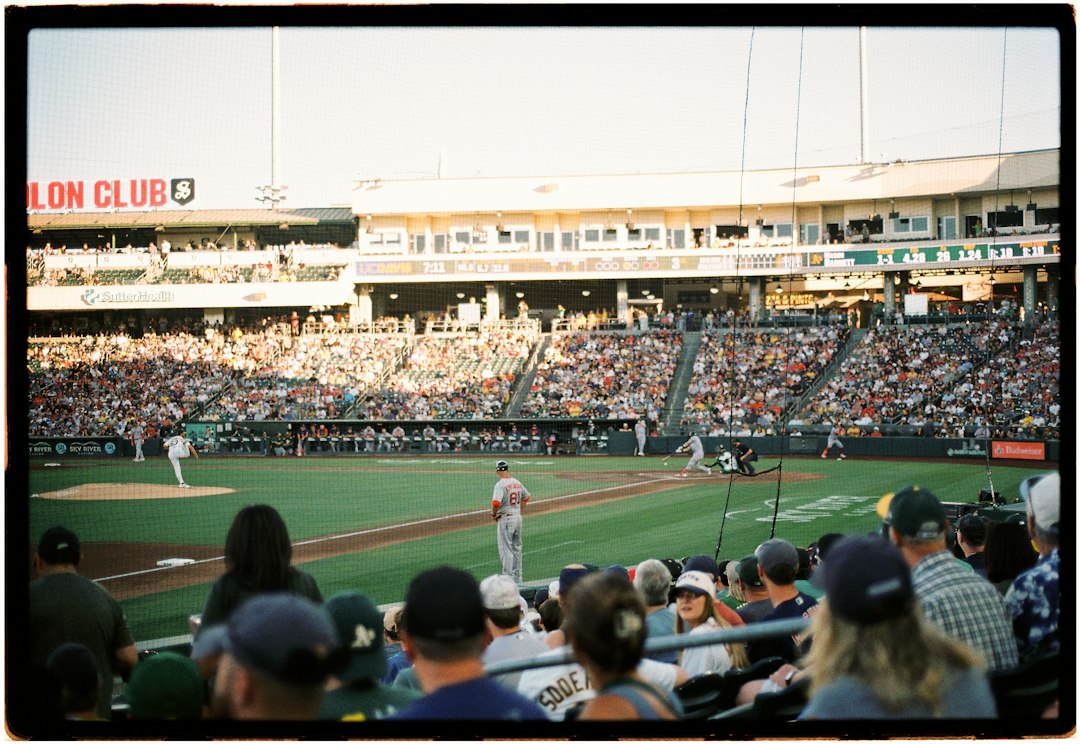
A favorite can take the game without taking the spread.
The scoreboard reads 4–3 after the visiting team’s final out. The home favorite wins, and the bettor picked the winner. But the bottom of the ninth won’t be played, leaving no chance to add an insurance run.
Top Sportsbook Bonuses for October 2026

Betfred

HotStreak Sports

BetNeptune

AfricaSports

BetGoodwin

Quinnbet

Hollywoodbets

Fanteam

Starsports

Alfobet

Betsuna

Play UK Sports

Jeffbet

Rolletto Sports

Velobet Sports

BettaBet

10bet

SpreadEx

All British Sports

LekkerBets

MobileWins

BetAnything
A −1.5 run-line wager needs the favorite to win by at least two. It loses here, while a moneyline wager on the same team wins. The run line may offer more appealing odds than the moneyline, but it turns every one-run win into a losing ticket.
What home −1.5 means
- Run line
In MLB betting markets and analysis, the run line is baseball’s standard 1.5-run point spread. It changes which final scores win a wager, not the game’s official result.
- Home −1.5
The home team must win by at least two runs for this bet to cash. A one-run home win is still a loss on the −1.5 run line.
- Away +1.5
The opposing side covers if it wins outright or loses by exactly one run.
- Moneyline
A home moneyline bet needs only a home win, regardless of the margin. It has its own odds, separate from the run line.
- Attached odds
The 1.5-run spread does not determine the payout; each side has odds that vary by game and sportsbook. At −110, a $110 wager profits $100; at +120, a $100 wager profits $120.
The bottom of the ninth can disappear
A home team cannot pad a late lead if the visitors fail to tie or take the lead in the top of the ninth. The game ends right there; there is no bottom of the ninth. A 4–3 home lead stays 4–3, leaving a home −1.5 wager short even though the moneyline cashes.
When the game is tied or the home team trails, the home team does bat in the bottom of the ninth. But getting the winning run across does not necessarily create a two-run margin. On a typical walk-off hit, play ends when the winning run scores, so a tie broken by a single commonly becomes a one-run win.
A walk-off home run is the key exception. All runners who score on the homer count, which can turn a tie into a run-line cover. For example, with the score tied 3–3 and a runner on first, a walk-off two-run homer makes the final 5–3. The home moneyline and home −1.5 both win.
The same logic applies in extra innings: a home team can cover on a multi-run walk-off homer, but a narrow walk-off win will not cover −1.5. Late-game run-line bets therefore depend not just on whether the favorite wins, but on how the game can end.
The final margin decides the run line
A home favorite can win the game and still lose a −1.5 run-line wager. These hypothetical scores show why the final margin matters more than how the winning run was scored.
| Home final score | How it ends | Home −1.5 result |
|---|---|---|
| 4–3 | Home team leads after the top of the ninth | Loses: one-run margin |
| 5–3 | Home team leads after the top of the ninth | Wins: two-run margin |
| 3–2 | Walk-off hit breaks a 2–2 tie | Loses: one-run margin |
| 6–3 | Three-run walk-off homer breaks a 3–3 tie | Wins: three-run margin |
The 4–3 and 5–3 games both end without a bottom of the ninth, but only the two-run win covers. A walk-off is not automatically a one-run win, either. On a typical walk-off hit, play ends once the winning run scores; a walk-off homer can bring home the batter and runners on base, producing a larger final margin.
For a home −1.5 bet, the check is simple: did the official final score show a home win by at least two runs? The moneyline asks only whether the home team won.
Why the bigger payout can mislead
A home favorite’s −1.5 run line often offers a bigger payout than its moneyline because it requires a two-run win, not just a win. The higher price is compensation for a tougher outcome. It does not, by itself, make the wager better value.
Consider these hypothetical odds for the same game:
| Bet | Odds | Break-even rate |
|---|---|---|
| Home moneyline | −160 | 160 ÷ (160 + 100) = 61.5% |
| Home −1.5 run line | +135 | 100 ÷ (135 + 100) = 42.6% |
At those prices, the moneyline needs to win more than 61.5% of the time to be profitable over many comparable wagers. The run line needs to cover more than 42.6% of the time. Those rates describe different outcomes: a one-run home win counts toward the first but not the second. A bettor’s estimate of each outcome’s likelihood matters more than the size of either payout.
The vig, or sportsbook margin, is built into the prices. For example, if the hypothetical visitor moneyline were +140, its implied probability would be 41.7%. Added to the home moneyline’s 61.5%, that is 103.2%, rather than 100%—an indication of the margin across both sides. Comparing only −160 with +135 cannot reveal whether either bet is fairly priced.
How a favorite wins without covering
A home favorite can have a sound path to victory without a clear path to a two-run margin. The distinction matters when weighing the moneyline against −1.5: one asks whether the favorite wins, while the other requires room on the scoreboard.
- A strong starter keeps the game close. Holding an opponent to one or two runs improves the favorite’s chances, but a 2–1 win still misses the run line. Pitching dominance does not create runs for the offense.
- Scoring chances go unused. A lineup can get runners aboard and still leave them there. A few hits at the right time may be enough to win, even if the favorite never builds a cushion.
- The bullpen protects rather than extends a lead. Favorable late-inning matchups can help preserve a 3–2 score. Relievers can secure the win, but only the offense can widen the margin.
- The lead arrives late. If the home team goes ahead by one in the eighth and holds on, it may have little or no opportunity to add insurance runs.
These are plausible game scripts, not signals that a one-run finish is inevitable. A pitching edge supports the case for winning; it does not, by itself, show that the favorite is likely to cover. That distinction also matters when assessing MLB underdogs: a team may be capable of keeping a game close without being the likelier winner.
How the park and weather affect the margin
A run-line estimate needs more than a pick for the winner. A park’s outfield dimensions and how the ball carries can affect the scoring outlook, while wind and temperature may change it from game to game. Those ballpark effects on scoring margins are inputs to an estimate, not reasons to assume a particular final score.
When fewer runs are expected, one-run finishes deserve closer attention: a 3–2 home win cashes the favorite’s moneyline but loses its −1.5 run-line wager. That does not mean every low-scoring game stays close. A dominant start or a few timely hits can still produce a multi-run win.
The betting question is whether the odds account for that risk. Compare an estimated chance of a two-run home win with the break-even probability implied by the −1.5 price, allowing for the sportsbook’s vig. A low over/under alone cannot establish whether either side of the run line is fairly priced.
Moneyline or home −1.5?
When is the home favorite’s moneyline worth the higher price?
The moneyline can make sense when the estimated chance of an outright win clears the break-even rate implied by its odds, but the chance of a two-run win does not clear the run line’s rate. It also avoids losing on a one-run win. That distinction matters when choosing between the moneyline and run line, not just when comparing payouts.
When is home −1.5 worth considering?
Consider it when the estimated chance of a home win by at least two runs exceeds the break-even rate at the offered price. At +135, that rate is about 42.6% before accounting for the uncertainty in the estimate. A bigger payout alone does not make the wager better.
Should the two-run estimate include games the home team loses?
Yes. The relevant probability is a two-run home win out of all possible game outcomes, not just out of home wins. For example, a 70% chance to win combined with a 60% chance to win by two or more when the team wins yields a 42% chance to cover −1.5.
Can both bets be reasonable at the same time?
Yes, if estimated probabilities exceed both prices’ break-even rates. Their risks still differ: the run line loses on a one-run victory, while a heavily favored moneyline requires a larger stake for the same potential profit.
Why compare prices across sportsbooks?
The same home −1.5 bet or moneyline can carry different odds at different sportsbooks. Check current prices for both before placing a wager; even a small change in the line changes the break-even probability.
Check the price before backing home −1.5
- A home −1.5 wager needs a win by at least two runs; the moneyline needs only a win.
- If the home team leads after the top of the ninth, it will not bat again. That removes a chance to widen the margin.
- Compare the current sportsbook odds for both wagers. Does the run line’s bigger payout compensate for the added risk of a one-run win?
A strong favorite can still win without covering. If neither price makes sense for the risk, passing is a reasonable choice. Keep any wager within a preset bankroll limit; an appealing payout is never a guarantee.
Top Sportsbook Bonuses for October 2026
Betfred
HotStreak Sports
BetNeptune
AfricaSports
BetGoodwin
Quinnbet
Hollywoodbets
Fanteam
Starsports
Alfobet
Betsuna
Play UK Sports
Jeffbet
Rolletto Sports
Velobet Sports
BettaBet
10bet
SpreadEx
All British Sports
LekkerBets
MobileWins
