
A CFP seed can change how a team gets to its next game.
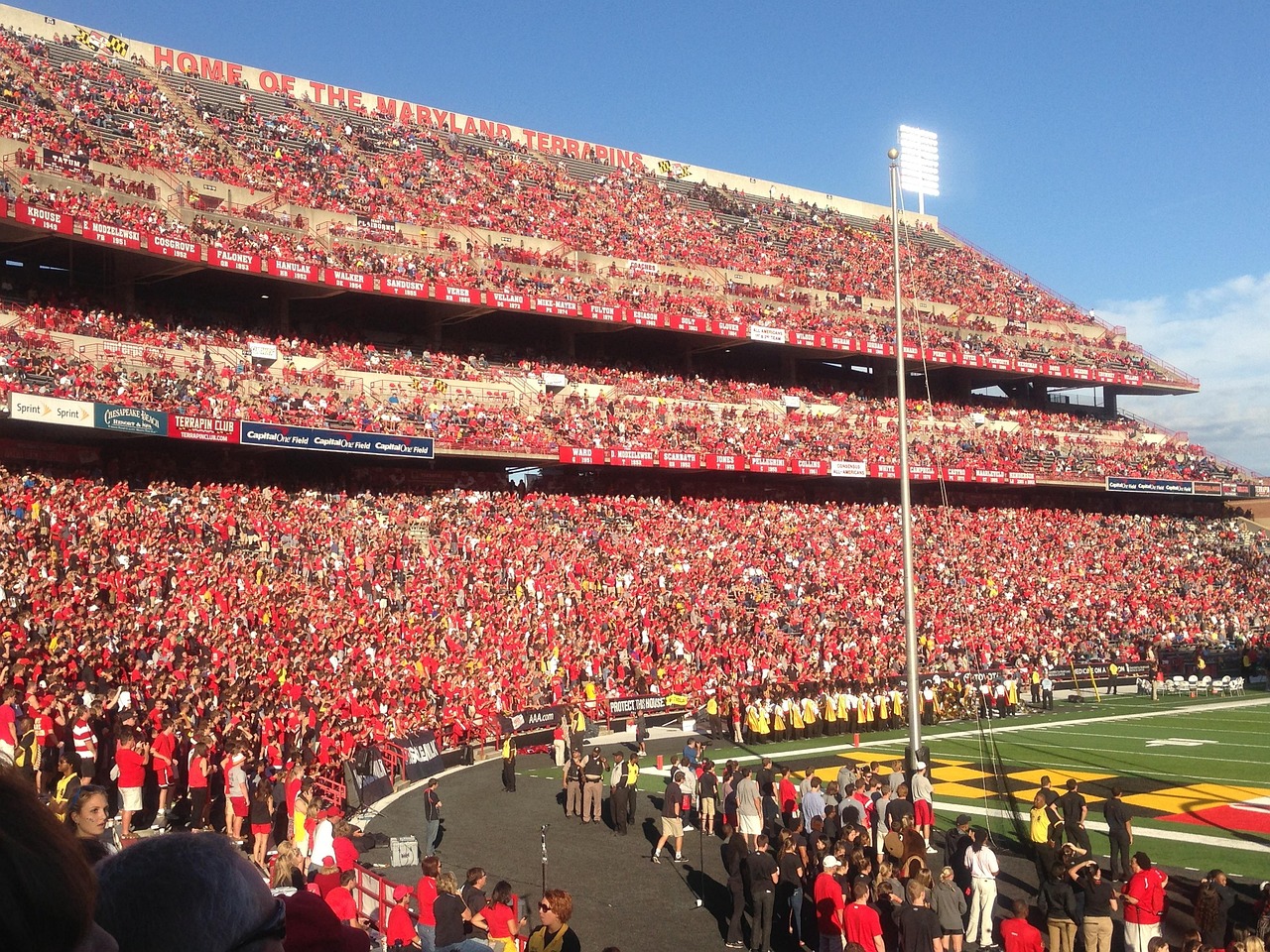
On a cold December night, the No. 8 seed could host No. 9 in a packed campus stadium. In the 12-team CFP, seeds 1–4 get a first-round bye, while seeds 5–8 host seeds 9–12. Later rounds move to neutral sites, so a higher seed does not keep hosting.
Top Sportsbook Bonuses for October 2026

BettaBet

10bet

SpreadEx

BetNeptune

AfricaSports

BetGoodwin

Quinnbet

Hollywoodbets

Fanteam

Starsports

Alfobet

Betsuna

Jeffbet

Betfred

Play UK Sports

Rolletto Sports

Velobet Sports

Hot Streak Sports

All British Sports

LekkerBets

MobileWins

BetAnything
For bettors, location is more than a bracket detail. Travel and weather can affect a matchup, while a bye gives a team extra rest. The point spread already accounts for much of the expected home-field edge, so hosting alone is not a reason to wager. Check the venue before comparing betting lines: two teams with similar seeds may face very different first-round conditions.
How the 12 teams get in
The College Football Playoff selection committee ranks teams at the end of the regular season and after conference championship games. Those rankings help determine the 12-team field, but a ranking alone does not guarantee a bid.
- Five automatic bids go to the five highest-ranked conference champions. A champion can make the field even if it sits below an at-large contender in the committee rankings.
- Seven at-large bids go to the highest-ranked remaining teams. Those teams do not have to win their conferences; an independent can also qualify this way.
Getting into the field and receiving a particular seed are separate questions. The automatic bid secures a conference champion’s place, not a guaranteed top-four seed or first-round bye. Under the seeding rules used for the 2025 season, the four highest-ranked teams in the selected field receive those top seeds, whether or not they won a conference.
That distinction matters for betting lines: a team’s ranking, seed and first-round location are related, but they are not interchangeable. Playoff selection and seeding rules can change, so bettors should check the rules for the season they are wagering on.
Who gets a first-round bye?
Under the current 12-team CFP rules, the four highest-ranked teams receive seeds 1–4 and skip the first round, whether they won a conference championship or not. The earlier rule reserved those byes for the four highest-ranked conference champions. As a result, a lower-ranked champion could earn a bye while a higher-ranked at-large team had to play an opening-round game.
The change makes the selection committee’s rankings more directly relevant to a team’s path. A top-four seed starts in the quarterfinals; seeds 5–8 host first-round games. A bye removes one chance for elimination or injury, but it does not give the team a home game in the quarterfinals, which are played at neutral sites.
For bettors, seed number is a starting point, not a substitute for analyzing the matchup. Rankings reflect a team’s standing in the playoff field, while the point spread reflects expectations for a specific game and opponent. Knowing when college football rankings mislead bettors can help keep a strong résumé from being mistaken for value against the spread. Extra rest may help a team prepare, but neither the bye nor the ranking guarantees superior play.
How the bracket shapes each seed’s path
The first-round matchup is only the start of a seed’s assigned route. Each game feeds into a specific quarterfinal, regardless of which team wins the opener.
| First-round game | Winner faces in quarterfinal |
|---|---|
| No. 5 hosts No. 12 | No. 4 |
| No. 6 hosts No. 11 | No. 3 |
| No. 7 hosts No. 10 | No. 2 |
| No. 8 hosts No. 9 | No. 1 |
For example, No. 5 gets a home game against No. 12, but a win sends it to a neutral-site quarterfinal against No. 4. If No. 12 pulls the upset, it takes that same quarterfinal slot. The bracket does not redraw based on who advances.
That distinction matters when evaluating a wager. A team may look appealing in its opening point spread yet face a tougher projected quarterfinal opponent than another team with similar title odds. For futures or bets on a team to reach a later round, the likely route deserves attention alongside the first game. For a single-game moneyline or spread, the next opponent does not change the outcome being bet—it simply provides context for how far that seed might go.
Who hosts the first-round games?
Seeds 5 through 8 have first-round hosting rights. Seeds 9 through 12 travel, with No. 8 hosting No. 9, No. 7 hosting No. 10, No. 6 hosting No. 11, and No. 5 hosting No. 12. That makes the line between the eighth and ninth seeds especially meaningful: one team controls the venue, while the other plays on the road.
Hosting rights do not necessarily mean a game at the higher seed’s usual stadium. Under CFP rules, the host can play at its stadium or another designated site. Before treating a matchup as a conventional home game, bettors should confirm the announced venue rather than assume familiar campus conditions.
Location can still matter to a point spread or moneyline. Travel, weather, playing surface and crowd makeup may differ between an on-campus game and one moved elsewhere. Those details are worth checking when assessing how location affects home-field advantage, but they do not create an automatic betting edge. A sportsbook’s opening line may already account for the expected site; any later venue announcement is a reason to compare the current odds with the earlier number.
When the playoff moves off campus
The first round is the only stage where a higher seed can play on campus. Quarterfinals and semifinals move to designated bowl sites, and the national championship is played at a predetermined neutral-site venue. A team that wins as a first-round host does not bring the next game home with it.
That distinction matters most for the top four seeds. Their bye removes a game from their path, but their quarterfinal is at a bowl site—not their home stadium. The bye is a bracket advantage, not an extra home game.
Consider a No. 6 seed that wins in front of its home crowd. Its next point spread should be assessed under different conditions: travel, crowd makeup and familiarity with the venue may all change. A nearby bowl can still draw plenty of one team’s fans, so “neutral site” does not always mean an even atmosphere. For a closer look at those factors, see how to analyze neutral-site college football games.
What the venue changes for bettors
A first-round game on campus can look different from a quarterfinal at a bowl site, even when the same teams are involved. The useful question is not whether “home field” matters in general, but which conditions actually change for these teams at the announced venue.
- Travel and routine: Check distance, time zones and how much each team’s usual game-week schedule changes. A nearby bowl may involve less disruption for one team than a cross-country trip for the other.
- Weather and surface: Compare the forecast and playing surface with each team’s usual conditions. Wind at an outdoor campus stadium may matter more to a pass-heavy offense or kicking game than mild weather at a bowl site; the effect depends on the matchup.
- Crowd noise: An on-campus host can have a familiar, loud setting. A nominally neutral bowl can still draw more fans from one side if it is easier for them to reach.
Venue alone is not a reason to add a fixed number of points to the spread. Bettors can start with the opening line, check the actual site and forecast, then decide whether a specific mismatch is already reflected in the odds. Even a real edge may offer little value if the sportsbook has priced it in.
How to price a CFP matchup
-
Confirm the seed, round and venue
Check the finalized bracket and game site before treating a higher seed as the home team. A first-round host may use an alternate site, while later games are played at neutral venues.
-
Check conditions that affect these teams
Look at the forecast, playing surface, travel schedule and likely crowd makeup. Cold weather matters more when it clashes with a team’s usual conditions or style of play than when both teams regularly play in it.
-
Set a rough price before checking the market
Estimate how the matchup would look on a neutral field, then adjust for the actual venue and team-specific factors. The college football betting fundamentals still apply: a strong team is not necessarily a good wager at any number.
-
Compare the estimate with each betting line
The point spread prices the expected margin; the moneyline prices the winner; the over/under prices total scoring. Check whether weather or travel changes the case for one market without assuming it changes all three.
-
Account for cost and stake size
Compare sportsbook odds because vig can erase a small apparent edge. Keep wagers within a set bankroll limit, especially when considering parlays or props, where several appealing matchup angles can still add up to a poor price.
A campus crowd may help the host, but the spread may already account for it. The useful question is whether that effect is larger than the line implies. If the price leaves no clear margin after vig, passing is a reasonable decision.
-
Confirm the season’s rules
Check the CFP’s current qualification, seeding and bye rules before reading an older bracket explainer as if it still applies.
-
Match each team to its seed and round
The seed determines the bracket slot and potential opponents. It does not, by itself, identify where every game will be played.
-
Verify the announced site
For a first-round game, check whether the higher seed is playing on campus or at a designated alternate venue. Later rounds move to bowl sites.
-
Check what the location changes
Consider travel, likely crowd support and playing conditions for both teams rather than treating “home” or “neutral” as a fixed advantage.
-
Read the current betting line
Compare the point spread, moneyline and over/under with the confirmed matchup and site. Note the odds and vig before placing a wager.
The bracket sets the path; the venue sets the scene
A seed shows a team’s route through the CFP, but the announced site determines the conditions of its next game. Those details can matter to the betting line—and may already be reflected in it. Seed number alone is not a sound reason to bet.
Top Sportsbook Bonuses for October 2026
BettaBet
10bet
SpreadEx
BetNeptune
AfricaSports
BetGoodwin
Quinnbet
Hollywoodbets
Fanteam
Starsports
Alfobet
Betsuna
Jeffbet
Betfred
Play UK Sports
Rolletto Sports
Velobet Sports
Hot Streak Sports
All British Sports
LekkerBets
MobileWins
