
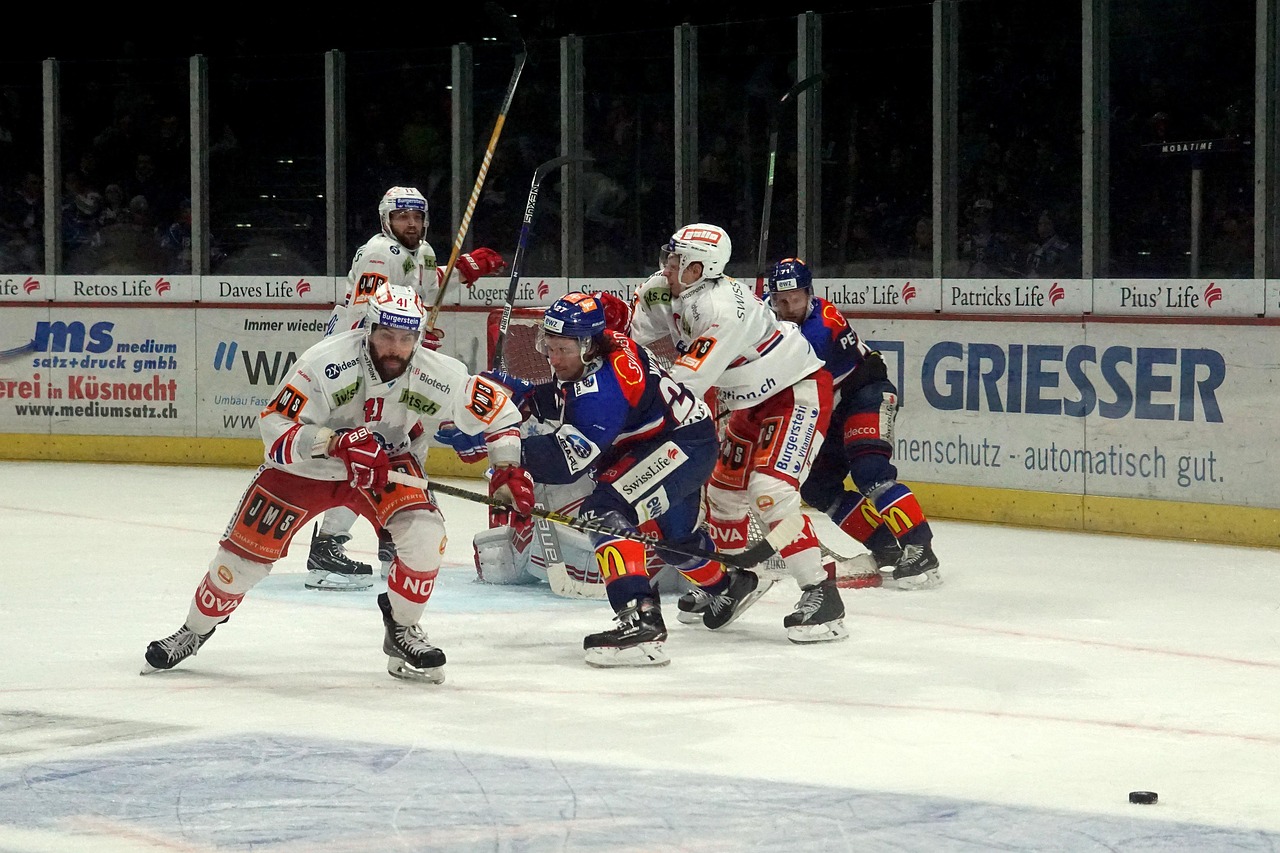
A tired team can be a poor bet against—and still be overpriced.
A team plays Friday night, travels, and faces a rested opponent Saturday. By the time a bettor checks the moneyline, that rested opponent may already be a heavier favorite. The schedule disadvantage is real enough to consider, but it is not automatically a reason to wager.
Top Sportsbook Bonuses for October 2026

Vave Crypto Sportsbook

1bet Sports

Golden Panda

TG Casino Sports

MyStake Sports

LuckyBlock Sports

MegaDice Sports

TurboWins Sports

BetUS

Rolletto Sports

Velobet Sports

Everygame Sports
At -150, a moneyline bet needs to win more than 60% of the time to overcome the price. The useful question is whether the rested team’s actual chances are better than those odds imply, not simply whether its opponent played last night. Travel, the likely starting goalie, injuries, and how much rest each team has had can all change that assessment. If the betting line already accounts for those factors—or overstates their effect—passing is more sensible than paying extra juice for an obvious angle.
What a back-to-back means for a bet
- Back-to-back
Two games played on consecutive calendar days. The label describes the schedule, not how tired a team is.
- First night
The opening game of the pair. A team could enter it well rested, so it should not be treated like the second game.
- Second night
The game played the next calendar day. Its betting significance depends partly on whether the opponent also played the previous day.
- Relative rest
The difference in rest between the two teams. A second-night team facing a rested opponent has a different matchup from one facing another team on a back-to-back.
- Time between games
A day-off count can miss a late finish, travel between cities or an early start the next day. Those details help show how much recovery time was actually available.
Where the short turnaround can show up
A back-to-back can leave skaters with less time to recover from a physical game. That may matter most for players who logged heavy minutes the night before, especially if travel cuts into the time available between games. It does not mean every skater will slow down—or that the team will score a predictable number of fewer goals.
Coaches can manage the turnaround by spreading ice time differently or adjusting line combinations. Those choices can affect who plays in key situations, including the power play and penalty kill. A bettor considering a moneyline, over/under or player prop should check the expected lineup and recent ice time rather than treating the schedule alone as the wager.
Preparation can be tighter, too. Teams may have less opportunity for a full practice or detailed work on a new opponent. That is a plausible disadvantage, but experienced teams can still prepare through meetings and video; the schedule does not dictate how well they will execute.
Goalie selection is a separate question. A coach may start a backup on either night, and a backup is not automatically a downgrade. Check the confirmed starter, that goalie’s recent workload and the odds after the announcement. A line that has already moved may leave little value in betting the schedule angle.
Home ice and travel change the matchup
A team playing its second game in two nights has a different turnaround at home than it does on the road. If both games are at home, players avoid a postgame flight and wake up in familiar surroundings. A road game may add a late arrival, a hotel stay and less time to settle in before puck drop. Even a short trip can matter when the first game ends late, though the schedule alone cannot show how well a team will respond.
The opponent’s schedule belongs in the same comparison. A rested opponent already at home presents a different challenge from one that also played the night before or just finished a road trip. Check where both teams played their previous game, whether either crossed a time zone and how much time separates their starts. The label “back-to-back” captures none of that detail.
Home ice is a separate advantage, not a cure for a short turnaround. A tired home team may still benefit from familiar routines and the usual conditions of its own rink. For more context, see how to assess NHL home-ice value. Then compare the moneyline with the full matchup: a second-night home game against a traveling opponent is not the same bet as a second-night road game against a rested host.
Check the starter and lineup before betting
A team playing its second game in two nights does not automatically switch goalies. The first-night starter might play again, or the coach might use a different goalie for reasons unrelated to rest. Neither choice says enough on its own to justify a moneyline wager: the other goalie may be playing better, and the matchup matters too.
Start by separating expected starters from confirmed ones. An expected starter is a projection, not a lineup announcement. Team updates, morning-skate reports and reliable beat coverage can help narrow the possibilities; confirm the choice closer to game time when information becomes available. The same habit applies to monitoring starting goalies on short rest throughout the schedule, not just on back-to-backs.
Check what else changed
Goalie news can draw the attention, but a missing top-six forward or key defenseman may change the matchup as much as a switch in net. Before judging the betting line, check for:
- Scratches: Was a regular held out, and who takes that spot?
- Injuries: Is a player unavailable or returning with an uncertain workload?
- Late lineup changes: Did the projected skaters or goalie change after the odds first caught attention?
Then compare the current moneyline with the price available before the news. A move after a confirmed starter or scratch suggests the market has reacted; it does not prove the new price is right. If the lineup remains uncertain, the apparent edge rests on an assumption—and waiting may be more useful than betting a number that looks attractive for the wrong reason.
If the starter is unconfirmed, consider how the wager looks with either goalie in net. If only one scenario makes the odds appealing, wait for confirmation rather than treating a projection as fact.
When the disadvantage is already in the line
A team playing its second game in two nights can be at a disadvantage without being a good team to bet against. The schedule is public, and sportsbooks can account for the short turnaround when they post a moneyline. The question is whether the available odds still offer enough value to cover the wager’s cost.
Consider a hypothetical matchup: the rested team opens at -130, while the back-to-back team is +120. At -130, a bettor needs the rested team to win more than 56.5% of the time to break even. The +120 price implies about 45.5%. Together, those implied probabilities total roughly 102%, not 100%, because the sportsbook’s vig is built into the prices. Removing that vig puts the market’s rough estimate for the rested team near 55.4%; the actual -130 wager still has to clear the higher, 56.5% break-even mark.
Suppose a bettor estimates the rested team’s chance at 60% after considering the likely starters, travel and matchup. That estimate would suggest value at -130, if it is sound. If the moneyline moves to -170 after a goalie is confirmed or a key skater is scratched, the break-even rate rises to about 63%. The same 60% estimate no longer supports that wager.
An opening price and a current price answer different questions. Before betting, check the latest lineup scratches and betting-line movement, then compare the current break-even probability with a matchup estimate—not with the opening odds alone. A real scheduling disadvantage does not make every price worth taking.
How rest factors into each betting market
A back-to-back can affect a team’s legs, lineup and goalie choice, but those concerns do not point every bet in the same direction. The question is whether the available odds leave room for a rest-related effect that the sportsbook has not already priced in.
- Moneyline: Has the short turnaround changed the team’s chance of winning enough to justify the price? Compare the current line with the matchup after accounting for the confirmed goalie, opponent rest and travel. A tired team is not automatically a moneyline fade.
- Puck line: Could a slower start or thinner lineup affect the margin of victory or defeat? Check whether the odds on the 1.5-goal spread compensate for that possibility; a close-game expectation alone does not make either side a good wager.
- Over/under: Might tired skaters create defensive mistakes, or might the pace slow and limit chances? Both are plausible. Check the starting goalies and the total’s price rather than assuming fatigue means more—or fewer—goals.
- Workload-related props: Are heavy minutes likely to change a skater’s shots, or could lineup adjustments change a goalie’s saves? Confirm roles and availability, then compare the prop line and juice with a realistic range of outcomes.
If the price already reflects those risks, passing is a reasonable decision.
How to read back-to-back betting trends
A team’s second-night win-loss record does not show whether betting against it paid off. A strong team can win often and still disappoint at a short moneyline; a weaker team can lose often without offering value to bettors backing its opponents. The odds available before each game are the starting point, not the final score alone.
For a useful check, compare results against the price a bettor could reasonably have taken at the time. Track the sportsbook’s moneyline and the result, then account for vig when judging returns. A closing line can show how the market moved, but it should not be treated as a price available before lineup or goalie news broke.
Keep the situations distinct rather than pooling every back-to-back together:
- Was the opponent rested, or also playing on consecutive nights?
- Did either team travel, and where was the game played?
- Which goalie started, and was that starter known when the recorded odds were available?
Even a trend that survives those checks may reflect team strength or a small, selective sample. It is a reason to examine the next matchup and its betting line, not a stand-alone wager.
Make the call before puck drop
-
Compare both schedules
Check each team’s rest, travel, and venue. A back-to-back matters differently when the opponent also played the night before.
-
Confirm the personnel
Verify starting goalies and meaningful lineup changes. A projected starter is not enough to price a goalie-dependent bet.
-
Set a fair price
Estimate what the matchup is worth, then compare that number with available sportsbook odds. This is the same price-first approach used in broader NHL game betting strategy.
-
Decide whether to bet
Pass if a key assumption remains unconfirmed or the line has moved past the estimated edge. Any wager should stay within a preset bankroll limit.
A short turnaround can shape a matchup, but it does not make a bet on its own. The available price must still beat a reasonable estimate of the game’s odds after rest, travel, venue, and personnel are accounted for.
Top Sportsbook Bonuses for October 2026
Vave Crypto Sportsbook
1bet Sports
Golden Panda
TG Casino Sports
MyStake Sports
LuckyBlock Sports
MegaDice Sports
TurboWins Sports
BetUS
Rolletto Sports
Velobet Sports
