
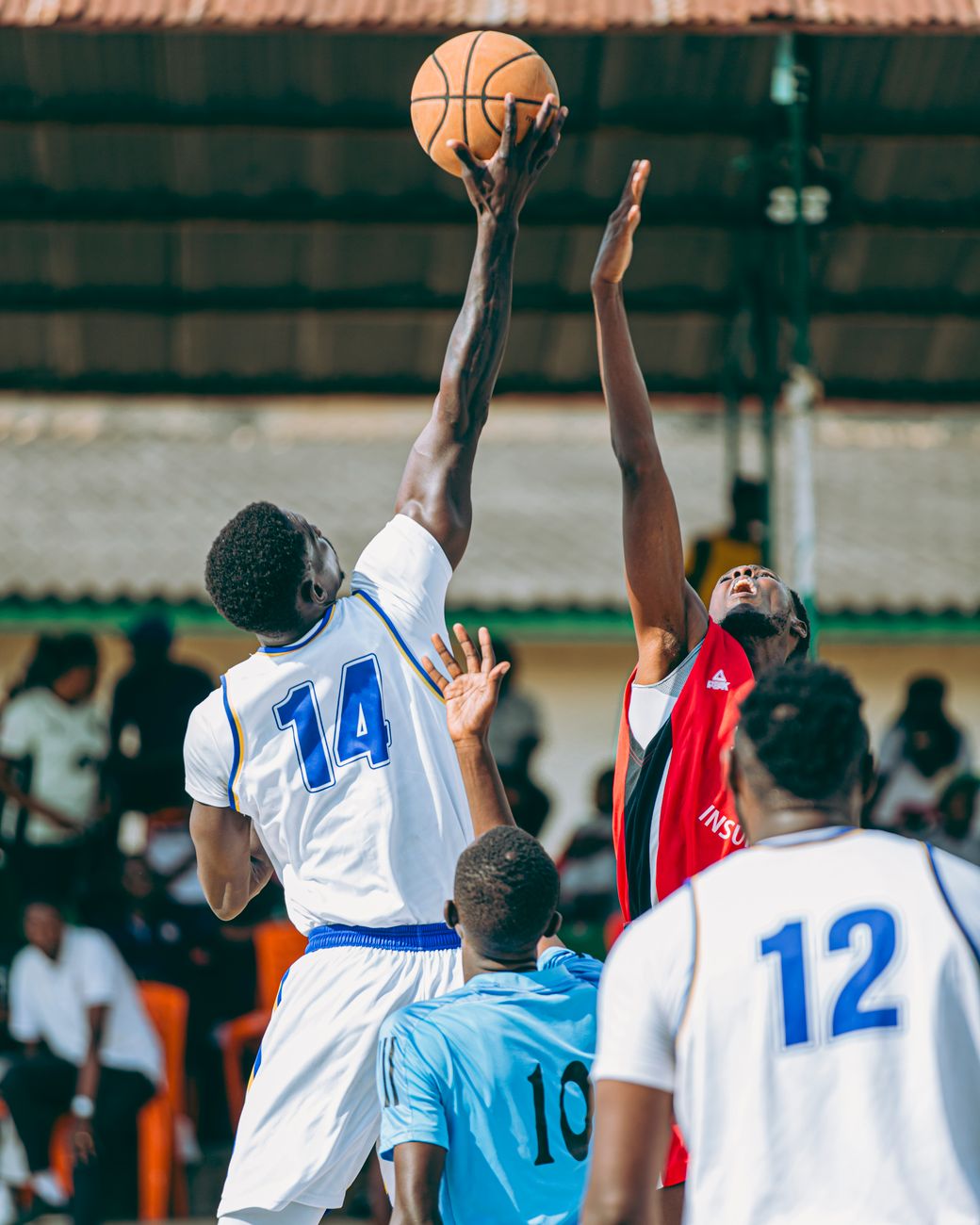
Possessions are the currency; minutes decide who gets to spend them.
A bench scorer faces two fast teams, and the points over looks tempting. But if the rotation tightens and he plays only 20 minutes, there may not be enough shots to clear the line. Pace creates team possessions, not guaranteed player opportunities.
Top Sportsbook Bonuses for October 2026

Betway Nigeria

Vave Crypto Sportsbook

Spininio Sportsbook

Betjara

1bet Sports
Spininio

Ivibet Sports

Golden Panda

TG Casino Sports

BetGoodwin

Quinnbet

Hollywoodbets Sports

MyStake Sports

PowerPlay Sports

Sportsbet.io
Betway Zambia
Betway Ghana

Nicebet Liberia

Nicebet Mozambique

Yellowbet Mozambique

Yellowbet kenya

Fanteam

Starsports

Winner Rwanda

GAL Sports betting Zimbabwe
GAL Sports betting Uganda
GAL Sports betting Tanzania
Yellowbet Guinea
Yellowbet Congo

StarBet Liberia

BetUS

BetNow

Betsuna Sports

Jeffbet Sports

Ozoon

MyBookie

Betfred

Play UK Sports

Rolletto Sports

Velobet Sports

Bet105

BUSR Sports

Everygame Sports

Hot Streak Sports

10bet

Bettabet

All British Sports

Lekkerbets

BetOnline

MobileWins
MobileWins
MobileWins
MobileWins

BetWhale

BetAnything

Xbet

Bovada

SpreadEx

BetNeptune

Bookmaker

MegaPari

Africa Sports
Before placing a prop wager, it helps to check the player’s expected minutes and role. A starter who handles the ball often may benefit more from extra possessions than a teammate who rarely shoots. The sportsbook’s betting line may already reflect the fast matchup, too. Pace is a useful starting point; the player’s share of the game and the price of the over matter just as much.
What pace actually measures
Pace is an estimate of a team’s possessions per 48 minutes. A faster team generally has more chances to end a possession with a shot, free throws or a turnover. Those extra possessions can also produce rebound and assist opportunities, but they do not add the same number of chances to every stat category.
Consider a team projected for 104 possessions instead of 100. That is roughly four more team possessions—not four more shots for its leading scorer. Some may end in turnovers, and shots may go to different players. Opponent tempo matters, too: a fast team can have fewer opportunities than usual if the matchup slows down.
Player opportunity depends on who is on the floor and what they do there. A starter playing 36 minutes has more exposure to added possessions than a reserve playing 16. Shot share, ball-handling duties and rebounding position then determine which props might benefit. A higher pace could help a primary creator’s assists, for example, while doing little for a low-usage teammate’s points.
Pace is most useful as a volume check alongside projected minutes and role. It cannot, by itself, show whether a sportsbook’s prop line is too low.
Build a realistic pace range
Start with both teams’ usual pace, then ask whose style is more likely to shape the game. A fast team does not automatically turn a slow opponent into a fast matchup: the slower team may use most of the shot clock, while the faster team may still push after rebounds and turnovers. Recent games against opponents with similar styles can help, but a small sample should not outweigh a longer baseline.
A useful approach is to build a range, not settle on one possession number:
- Compare each team’s season-long pace with its recent pace, checking whether the recent change has a clear cause.
- Adjust for available players. A missing primary ball handler or a different starting center can change how quickly a team gets into its offense.
- Check the expected rotation. More minutes for transition-oriented reserves may matter; a tighter playoff-style rotation could make the season average less representative.
The sportsbook’s game total offers a reality check, not a possession forecast. A high over/under can reflect efficient offenses as well as faster play. The point spread matters too: a lopsided game could change fourth-quarter minutes and prop opportunities without following the expected pace throughout.
Research tools, including paid NBA player prop tools, can keep pace, lineup, and minutes inputs together. The estimate still depends on whether those inputs fit the likely game script.
Minutes come before pace
A faster matchup does little for a player who spends more time on the bench. Before adjusting a prop for pace, estimate how long the player is likely to play. A useful regulation-game approximation is on-court possessions = projected team possessions × projected minutes ÷ 48. It estimates the possessions available while the player is on the floor, not the shots, rebounds, or assists that player will actually get.
For example, 34 minutes in a 101-possession game works out to about 72 on-court possessions. If the game projects for a quicker 104 possessions but the player is expected to play only 32 minutes, that falls to about 69. The two-minute change matters more than the modest pace increase.
Start projecting player minutes with the player’s likely role, then check what could move the estimate:
- Starting role: A move into or out of the starting lineup can change both playing time and when those minutes occur.
- Rotation stability: A steady substitution pattern supports a tighter estimate than one that varies by matchup.
- Foul risk and restrictions: A difficult defensive assignment, recent foul trouble, or a stated minutes limit can cut into court time.
Minutes projections remain uncertain, especially when a rotation changes. Testing a plausible high and low minutes total shows whether a prop depends on a narrow playing-time assumption before any pace adjustment is made.
Where extra possessions show up
A faster game can create more chances, but each player prop depends on a different kind of chance. Before taking an over, it helps to identify the event the player needs—not just the expected number of possessions.
- Points: More possessions may mean more shots or trips to the free-throw line. A scorer still needs a share of the offense, and poor shooting can erase the benefit of extra attempts. Check shot volume alongside recent efficiency rather than treating either one as fixed.
- Assists: A pass becomes an assist only when a teammate makes the shot. Potential assists show whether a player is creating looks; teammates’ shooting determines how many turn into box-score assists. A faster matchup matters less if the player is spending more time off the ball.
- Rebounds: The useful question is how many missed shots a player can reach. More attempts can create more rebound chances, but a hot shooting night leaves fewer misses. Lineups and defensive assignments also affect who is positioned to collect them.
- Three-pointers made: Extra possessions help most when they produce more three-point attempts for that player. A high-volume shooter has a clearer path to benefiting from pace than a player who takes an occasional three.
- Steals and blocks: These depend on specific defensive plays, not merely possession totals. More chances may help, but foul trouble, assignments and game-to-game volatility make a pace-based over especially fragile.
A useful check is to compare the sportsbook’s prop line with a realistic range of attempts or chances, then consider the conversion needed to clear it. Pace can improve the opportunity side without improving shooting, teammates’ finishing or a player’s usage share. The odds and vig still matter before placing a wager.
Turn pace into a points adjustment
Suppose a team’s projected pace rises from 100 to 104 possessions per 48 minutes, and a player is expected to play 32 minutes. That is four extra team possessions over a full game—not four extra chances for that player to score. A simple estimate of the added possessions while the player is on the court is 4 × 32 ÷ 48 ≈ 2.7.
Now assume a secondary scorer produces 0.20 points per on-court team possession. Holding that rate steady, the pace increase adds roughly 2.7 × 0.20 = 0.54 points to the projection. At the original pace, the same calculation gives about 13.3 points; at the faster pace, about 13.9.
That half-point matters most when a projection sits close to the sportsbook’s points line. It may warrant another look at a 13.5 over/under, but it does not settle the bet: 32 minutes, scoring rate and possession distribution are all estimates. If the line is 14.5, the pace change alone leaves the projection below it.
This shortcut assumes the extra possessions occur evenly during the game and the player’s role stays the same. Before placing a wager, compare the revised projection with the line and its juice, then check whether a change in minutes or shot share could outweigh the pace adjustment.
Compare the projection with the price
A pace-adjusted projection is a starting point, not a bet slip. If a player projects for 19 points and the sportsbook posts an over/under of 18.5, the half-point gap suggests an over lean. It does not show how often that player clears the line. A points projection has uncertainty, especially when minutes, shot attempts, and shooting efficiency can all vary.
The odds set the hurdle. At -110, an over needs to win about 52.4% of the time to break even; at -120, it needs about 54.5%. Those percentages account for the price paid on that side of the wager. A bettor estimating a 51% chance of going over has no value at either price, even if the projected average sits above 18.5.
An obvious fast matchup may already be reflected in the prop line. Compare sportsbooks for the same player, stat, and threshold: over 18.5 at -110 is cheaper than over 18.5 at -125. A different threshold requires a fresh probability estimate, not just an odds comparison. The NBA odds, markets, and research guide offers broader context, but the decision here rests on whether this prop’s estimated chance justifies its price after vig and projection uncertainty.
What pace does not guarantee
Overtime can add chances, but it is not a sound reason to inflate a pregame projection. Blowouts can cut minutes instead. For low-frequency props such as steals or blocks, even a few extra possessions may produce no additional event.
Run the pace-to-prop check
-
Set a matchup possession range
Use both teams’ likely tempo and account for lineup changes. Treat the result as a range, not a precise game total.
-
Project the player’s minutes
Check the expected rotation, foul risk and whether a lopsided score could cut playing time.
-
Identify the relevant chances
For a points prop, estimate shot opportunities; for assists, potential teammate finishes; for rebounds, available misses. More possessions do not give every player the same increase.
-
Build a projection range
Use conservative, middle and optimistic assumptions for minutes, opportunity share and conversion rather than relying on one number.
-
Compare the range with the price
Check the sportsbook’s line and odds, including the juice. Pass if the wager only looks worthwhile under the optimistic case.
Pace is most useful as an adjustment to a player-level projection, not a reason to bet an over by itself. If the edge survives reasonable changes in minutes and role, compare it with the price—and keep any wager within a set bankroll.
Top Sportsbook Bonuses for October 2026
Betway Nigeria
Vave Crypto Sportsbook
Spininio Sportsbook
Betjara
1bet Sports
Spininio
Ivibet Sports
Golden Panda
TG Casino Sports
BetGoodwin
Quinnbet
Hollywoodbets Sports
MyStake Sports
PowerPlay Sports
Sportsbet.io
Betway Zambia
Betway Ghana
Nicebet Liberia
Nicebet Mozambique
Yellowbet Mozambique
Yellowbet kenya
Fanteam
Starsports
Winner Rwanda
GAL Sports betting Zimbabwe
GAL Sports betting Uganda
GAL Sports betting Tanzania
Yellowbet Guinea
Yellowbet Congo
StarBet Liberia
BetUS
BetNow
Betsuna Sports
Jeffbet Sports
Ozoon
MyBookie
Betfred
Play UK Sports
Rolletto Sports
Velobet Sports
Bet105
BUSR Sports
Everygame Sports
Hot Streak Sports
10bet
Bettabet
All British Sports
Lekkerbets
BetOnline
MobileWins
MobileWins
MobileWins
MobileWins
BetWhale
BetAnything
Xbet
Bovada
SpreadEx
BetNeptune
Bookmaker
MegaPari
