
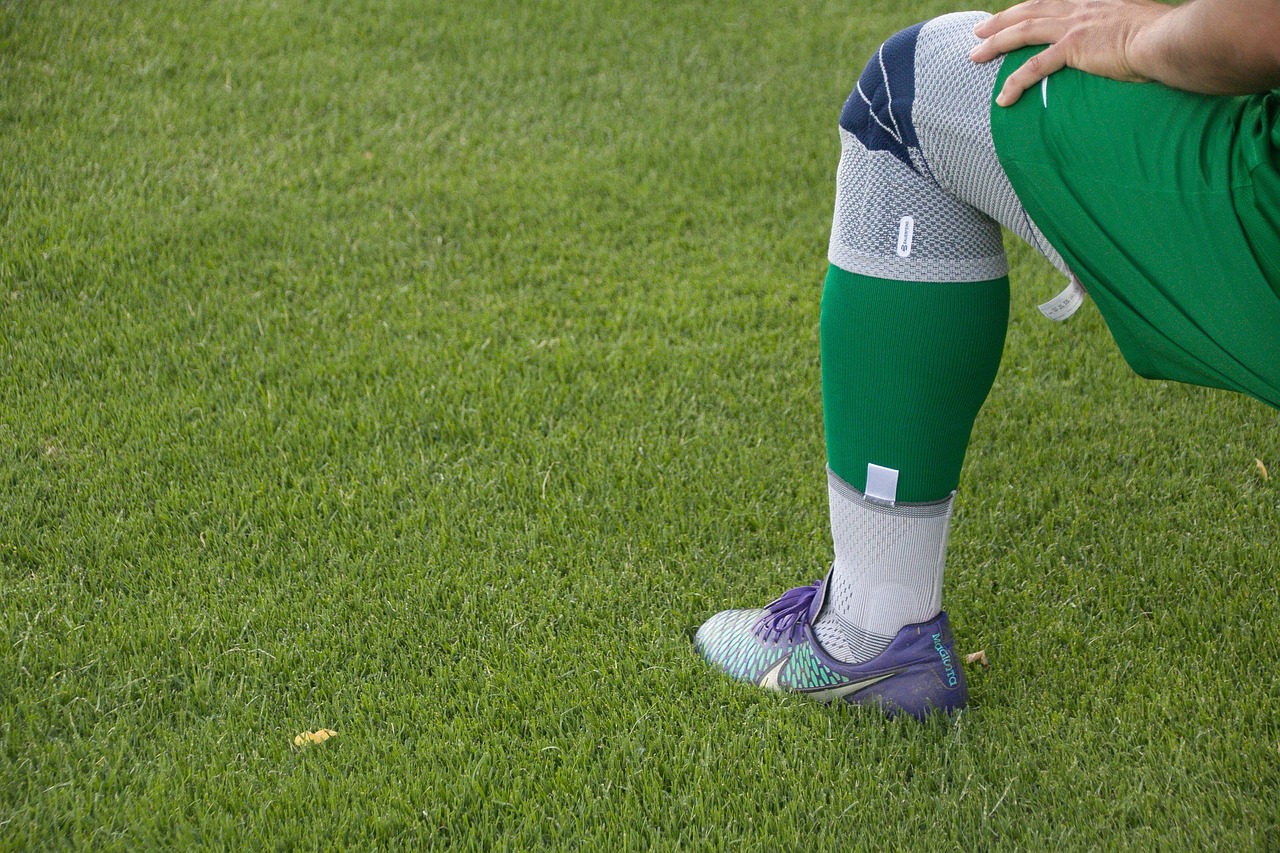
The injury report names the player; the betting line measures the drop-off.
A star quarterback gets ruled out Friday, yet the point spread barely budges. Hours later, news involving a less famous lineman triggers a noticeable move. That can feel backward, especially when a wager was placed before the update.
Sportsbooks are not simply ranking injuries by name recognition. They are pricing expected impact: how much the team declines with the replacement, whether the matchup exposes that weakness, and how likely the absence already appeared. If a player spent all week as doubtful, much of the downgrade may already be baked into the spread, moneyline, total, or props. A surprise scratch creates more new information—and often a sharper reaction—even when the injured player attracts fewer headlines.
How injury news reaches the odds
Sportsbooks do not simply add or subtract a fixed number for an injured player. When a status changes from questionable to out, oddsmakers update projections across connected markets. The point spread and moneyline may move toward the opponent, the total may fall if offensive efficiency could suffer, and related props may be removed or reposted.
An opener may already assume the backup will start, so official confirmation can produce little movement. A move before the announcement can mean bettors or oddsmakers reached that conclusion earlier.
Reading the move
A line can shift while an injury report changes, but timing alone does not prove cause. Weather, other lineup news, matchup information, changing limits, and betting action can arrive simultaneously. Understanding why betting odds change helps separate a plausible injury adjustment from broader market movement.
Useful checks include:
- Compare the report’s timestamp with consensus odds at several sportsbooks.
- Watch whether correlated props are suspended or repriced.
- Check whether teammate volume props move in the expected direction.
Player-to-points charts should be treated cautiously. A quarterback’s impact depends on the backup, scheme, opponent, and likely game script; similar context applies to linemen and defenders. No universal conversion remains accurate across every team and matchup.
Why some positions move the line more
Quarterbacks usually create the largest adjustment because they influence passing efficiency, play-calling, turnovers, and nearly every offensive prop. Still, the relevant question is not whether the starter is out—it is how much performance falls from starter to replacement.
| Position group | Typical market sensitivity | Key context |
|---|---|---|
| Quarterback | Highest | Backup quality, offensive system, preparation time |
| Offensive line | Moderate to high | Which spot is affected, unit continuity, opposing pass rush |
| Skill positions | Usually moderate | Target share, depth, and whether production is replaceable |
| Pass rusher or cornerback | Moderate | Opponent’s protection, receivers, and coverage scheme |
| Linebacker or safety | Often modest | Communication duties and run/pass matchup |
| Kicker or punter | Usually limited | Weather, field position, and expected game script |
A backup quarterback is not an automatic fade
A veteran backup with a full week of first-team practice may keep the offense functional, especially in a run-heavy scheme with strong protection. A talented but inexperienced replacement could be more volatile: explosive plays may remain possible, while sacks and turnovers become greater concerns.
The opponent also shapes the downgrade. A backup facing an elite pass rush and tight coverage deserves more concern than one facing a defense that struggles to pressure quarterbacks. Short notice matters too; an in-game injury or late-week scratch leaves less time to simplify the game plan.
When betting a game involving a backup quarterback, the point spread should not be assessed alone. The team total, full-game over/under, passing props, and interception props may reveal more precisely how the market expects the offense to change. Depth, scheme fit, and preparation often matter more than the backup label itself.
Reading the NFL injury report
Practice participation matters most as a weekly trend, not a standalone label. A Wednesday DNP may reflect rest or workload management; a Friday downgrade from limited to DNP is usually more concerning. Compare the listed injury, participation level, and prior weeks before drawing a conclusion.
Key signals include:
- Out: The player will not play.
- Doubtful: Participation is unlikely, though not impossible.
- Questionable: Genuine uncertainty; context matters more than the label alone.
- IR, PUP, and other reserve lists: The player remains unavailable unless officially activated.
Coach comments can add context, but phrases such as “day-to-day” or “game-time decision” are not firm commitments. Beat-reporter observations, roster transactions, and whether the player travels can strengthen the picture without proving availability.
Weekend updates deserve extra attention, especially a Saturday roster move or a late downgrade. The clearest confirmation is the official inactive list, generally released about 90 minutes before kickoff. Bettors should also check whether the point spread, props, or over/under already moved before reacting.
A missed practice, optimistic quote, or travel report can mislead in isolation. Late news may also reach the betting line before it reaches casual bettors.
Measure the drop-off, not the name
An injury should be priced by the gap between the starter and replacement, not the size of the starter’s reputation. A famous player backed by a capable reserve may matter less than an unheralded lineman whose backup forces a major scheme change.
Useful questions include:
- Role: Does the replacement handle the same assignments?
- Snaps: Is one backup taking over, or will several players rotate?
- Scheme fit: Can the reserve execute the usual game plan?
- Experience: Has the player handled meaningful NFL snaps?
- Support: Can coaches redistribute duties without creating another weakness?
Matchup changes the impact
Consider a starting left tackle ruled out. Against a defense that generates little pressure without blitzing, quick throws and tight-end help may keep the downgrade modest. The same absence against a strong edge rusher could affect sacks, drive efficiency, the point spread, and quarterback props.
A missing slot corner presents the opposite type of contrast. The loss may be marginal against a run-heavy offense using bigger personnel, but pivotal against a team that targets slot receivers and running backs underneath.
The practical handicap is not simply who is out. It is what the backup changes, what the opponent can exploit, and whether the betting line already reflects that drop-off.
How injury ripple effects move totals
An injury can alter an offense’s identity even when the replacement is competent. Losing a deep-threat receiver, for example, may produce shorter routes, longer possessions, and fewer explosive plays. That combination often matters more to the over/under than to the point spread.
Typical second-order effects include:
- Slower pace: A backup quarterback may prompt more huddling, rushing, and clock use.
- Lower efficiency: Conservative calls can reduce turnovers but also create fewer points per drive.
- Shorter possessions: An injured offensive line may cause sacks or quick three-and-outs, giving the opponent extra drives.
- Changed fourth-down decisions: Coaches may punt or kick more often when confidence in the offense falls.
Game-script assumptions matter, too. If an underdog loses a key offensive player, the favorite may be expected to gain an early lead and then run more frequently. The projected winning margin might remain similar because both teams’ scoring expectations decline, while the total moves downward.
That is why the same absence can have a modest spread impact but a larger effect on the total, team totals, and certain props.
How injuries reshape different betting markets
An injury does not affect every market in the same way. The moneyline mainly reflects win probability, while totals and props may react more directly to expected snaps, carries, targets, or pass attempts. Efficiency changes are harder to isolate because injuries can alter play-calling, protection, pace, and multiple players’ workloads at once.
| Market | Typical injury impact |
|---|---|
| Point spread | Adjusts the expected scoring margin, especially after quarterback news. |
| Moneyline | Reprices each team’s chance of winning, with effects varying by favorite and underdog odds. |
| Game total | Reflects possible changes in pace, scoring efficiency, turnovers, and field position. |
| Team total | Isolates the injured team’s projected scoring more directly. |
| First-half markets | May move when a backup is expected to start cautiously or follow a scripted plan. |
| Player props | Volume-based props can move sharply when touches or targets are redistributed. |
| Parlays | Correlated legs may be repriced, restricted, or removed—particularly in same-game parlays. |
| Alternate lines | Prices can change unevenly as uncertainty increases around the range of outcomes. |
Sportsbooks often temporarily suspend betting after significant news rather than post a guess immediately. When markets return, limits may be lower, juice may be wider, and affected props may remain unavailable until roles become clearer.
A spread move therefore should not be copied mechanically into every related wager. An absence may reduce win probability without lowering play volume, or increase a replacement’s opportunities while reducing expected efficiency.
Three Injury-Line Myths That Cost Bettors
Before wagering:
Rebuild the timeline from opener to injury confirmation. Compare sportsbooks, including juice. Flag spread crossings of 3 and 7. Bet only when current odds still misstate the impact.Make the Injury Case Before Betting
-
Verify the latest status
Use the official injury report, credible local reporting, and game-day inactives. Separate confirmed news from speculation.
-
Identify the replacement plan
Check who takes the snaps, how duties may be divided, and whether the scheme is likely to change.
-
Connect the change to the matchup
Consider pass protection, coverage assignments, rushing efficiency, tempo, and any props affected by redistributed volume.
-
Check what the market priced in
Compare the opener with the current spread, total, moneyline, and juice. A large move may already reflect the news.
-
Write down the wager—or pass
Record the betting rationale and what would invalidate it. Passing is reasonable when status, usage, or price remains unclear.
-
Keep stake size consistent
Apply fixed-bankroll sizing rather than increasing a wager because injury news appears persuasive. This belongs within sound NFL betting fundamentals.
An injury creates context, not an automatic bet. The useful question is whether verified personnel and matchup changes differ from the assumptions already embedded in the odds. Even a well-supported read can lose, so disciplined sizing and a willingness to pass matter.
